

Blog
February Money Pressure? How to Use Your Car to Get Through Month-End Without Selling It


February has a way of catching people off guard.
School fees land. Transport costs return to normal after December. Groceries, fuel, and everyday expenses pile up faster than expected. Even people who usually manage their money well can feel stretched by the time month-end arrives.
If this feels familiar, you are not alone. For many Cape Town drivers, February is not about overspending. It is about getting through a tight month without making a decision that causes problems later.
The challenge is finding short-term support that does not turn into a long-term mistake.
Why selling your car often creates bigger problems
When money feels tight, selling a car can look like the fastest solution. You get cash, clear the pressure, and move on. In reality, it is rarely that simple.
A car is not just an asset. It is how most people get to work, take children to school, run a business, or keep income flowing. Once the car is gone, transport costs increase and flexibility disappears. Replacing a vehicle later often costs more than expected.
What starts as a short-term fix can quietly create long-term stress.
That is why many people look for ways to use the value in their car without giving it up completely.
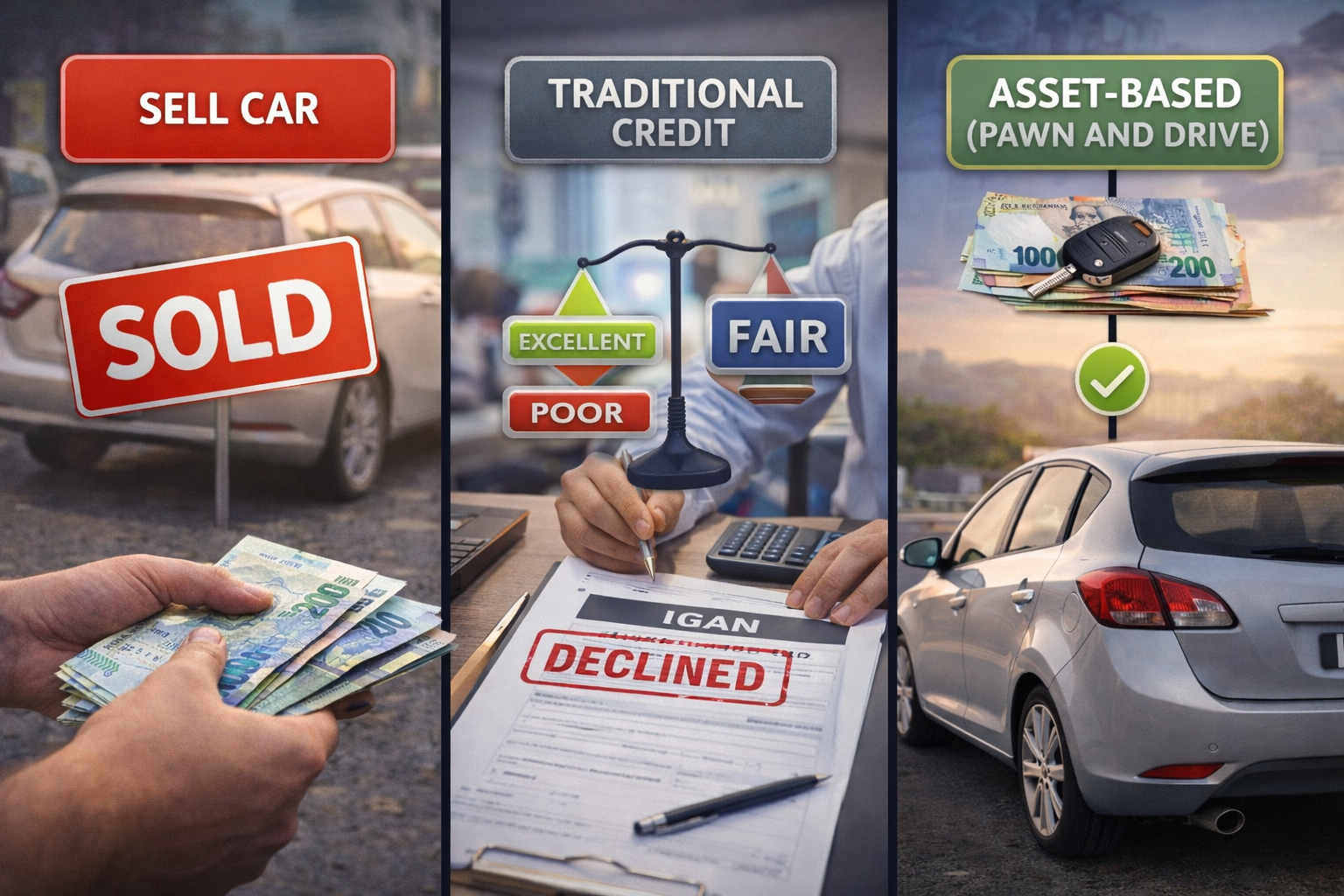
The common options people consider when they need cash
A car has real value, and there are a few ways people try to unlock it when money is tight.
Selling the car gives immediate cash, but you lose transport and may struggle to replace it later. Traditional loans can work, but in February they are often slow, require strong credit profiles, and come with long approval processes. Asset based options use the value of the car as security instead of relying on credit history alone.
Pawn and drive falls into this last category. It is designed for short-term cashflow support while allowing you to keep driving your car.
Why traditional borrowing often fails in February
February is not a friendly month for bank finance.
Applications take time. Credit checks are strict. Declines happen for reasons that have little to do with how responsible you are right now. Waiting weeks for an answer does not help when school fees or month-end costs are already due.
Many people are also reluctant to take on long-term debt for what is really a short-term cashflow problem.
What most people want in February is not a complicated loan. They want breathing room.
If February is tight, you do not have to decide anything today. A quick WhatsApp conversation can help you understand your options.
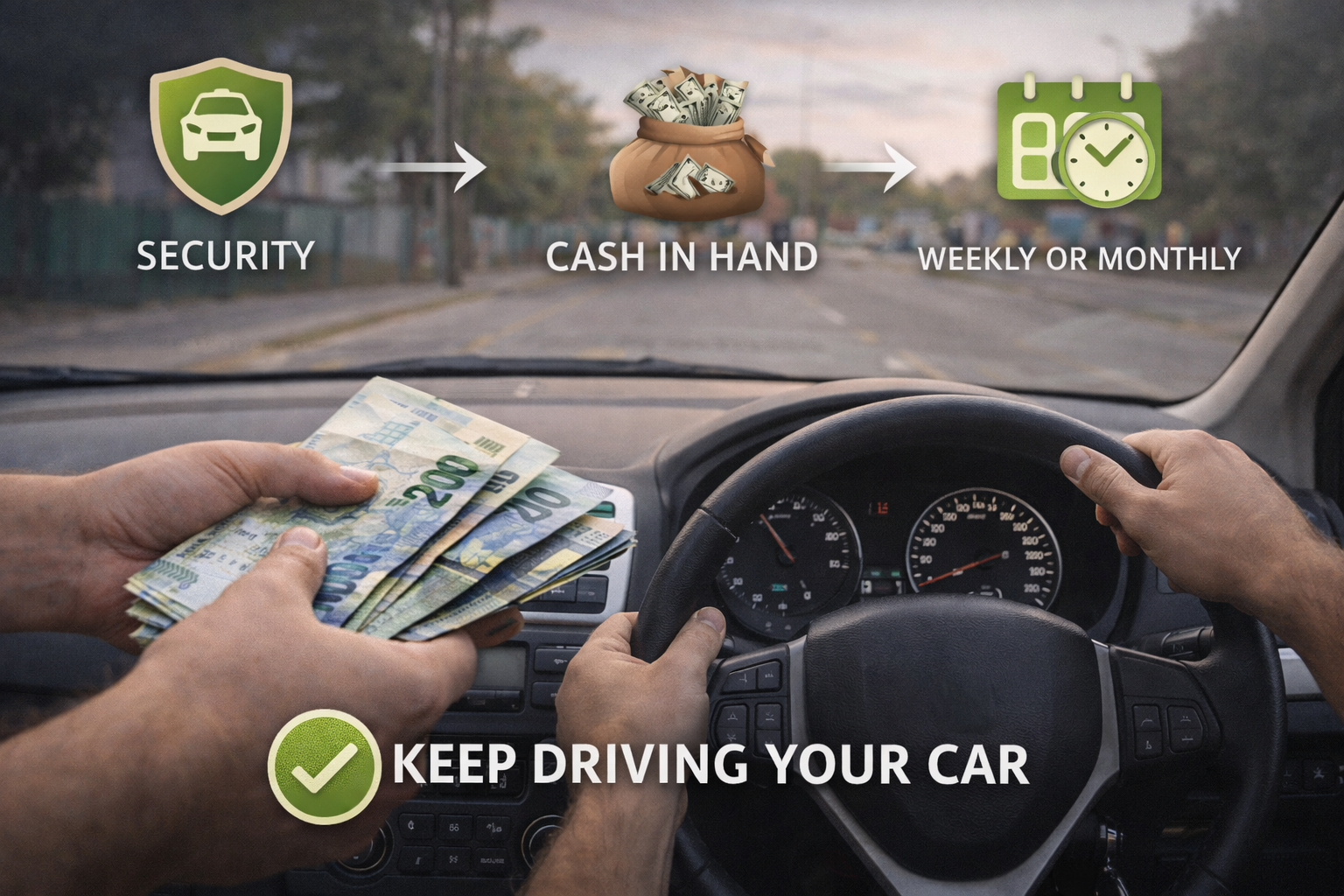
How pawn and drive works in simple terms
Pawn and drive allows you to access cash using your car as security while continuing to drive it.
In simple terms, the process works like this:
You use your vehicle as security for a short-term agreement. You receive cash based on the value of the car. You keep driving the car while you repay over an agreed period. Once the agreement is settled, it ends and you move on.
There is no need to sell your car. There is no requirement for a perfect credit record. And there is no obligation to proceed if the terms do not make sense for you.
For many people, this approach feels more controlled than selling an essential asset or committing to long-term finance.
Why people use pawn and drive specifically in February
February pressure is very specific.
It is often about covering unavoidable costs and getting through one difficult month. School expenses, transport, medical bills, or catching up after December spending all play a role.
Pawn and drive is commonly used in February as a temporary bridge. The intention is not to stay in an agreement indefinitely. The intention is to stabilise cashflow, handle immediate expenses, and reset properly in March.
Used intentionally, it can help people avoid rushed decisions that are difficult to undo later.
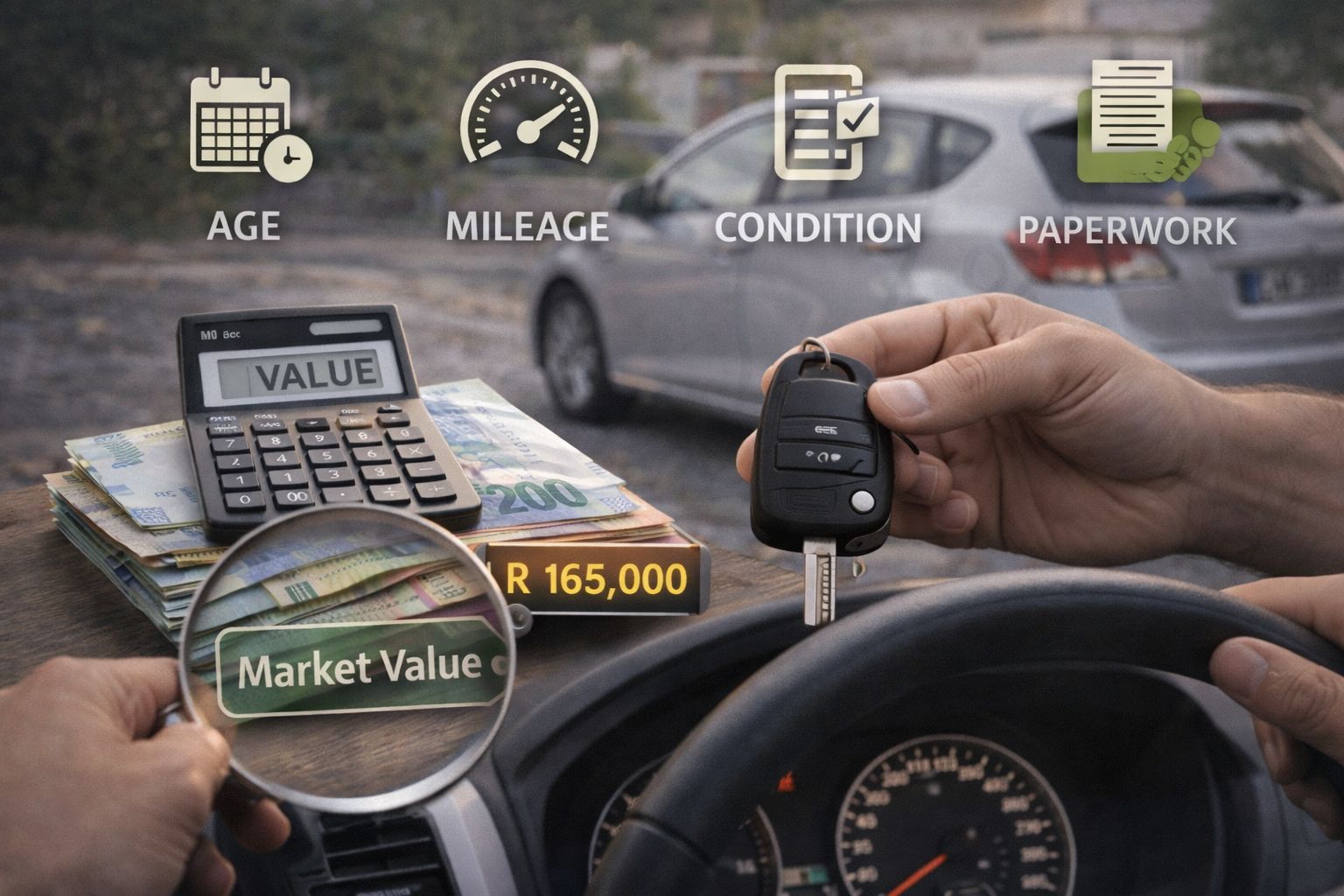
What affects how much you can get
One of the first questions people ask is how much they can borrow against their car.
There is no single answer. The amount depends on practical factors such as the age of the vehicle, mileage, overall condition, and the paperwork available. The key point is that the value is linked to the car itself, not your credit score.
It is also worth having a realistic idea of your car’s current market value before speaking to any provider. Knowing what your vehicle is worth gives you confidence in the conversation and helps you avoid undervaluing your asset.
More important than the amount is clarity. You should understand how repayment works, what settlement looks like, and what happens if circumstances change.
What you need to get started
Getting started is usually straightforward. In most cases, you will need:
- A valid South African ID
- Proof of address
- Vehicle registration documents
Many people begin by sending photos of these documents on WhatsApp to start the discussion. That way, you can understand your options before committing to anything.
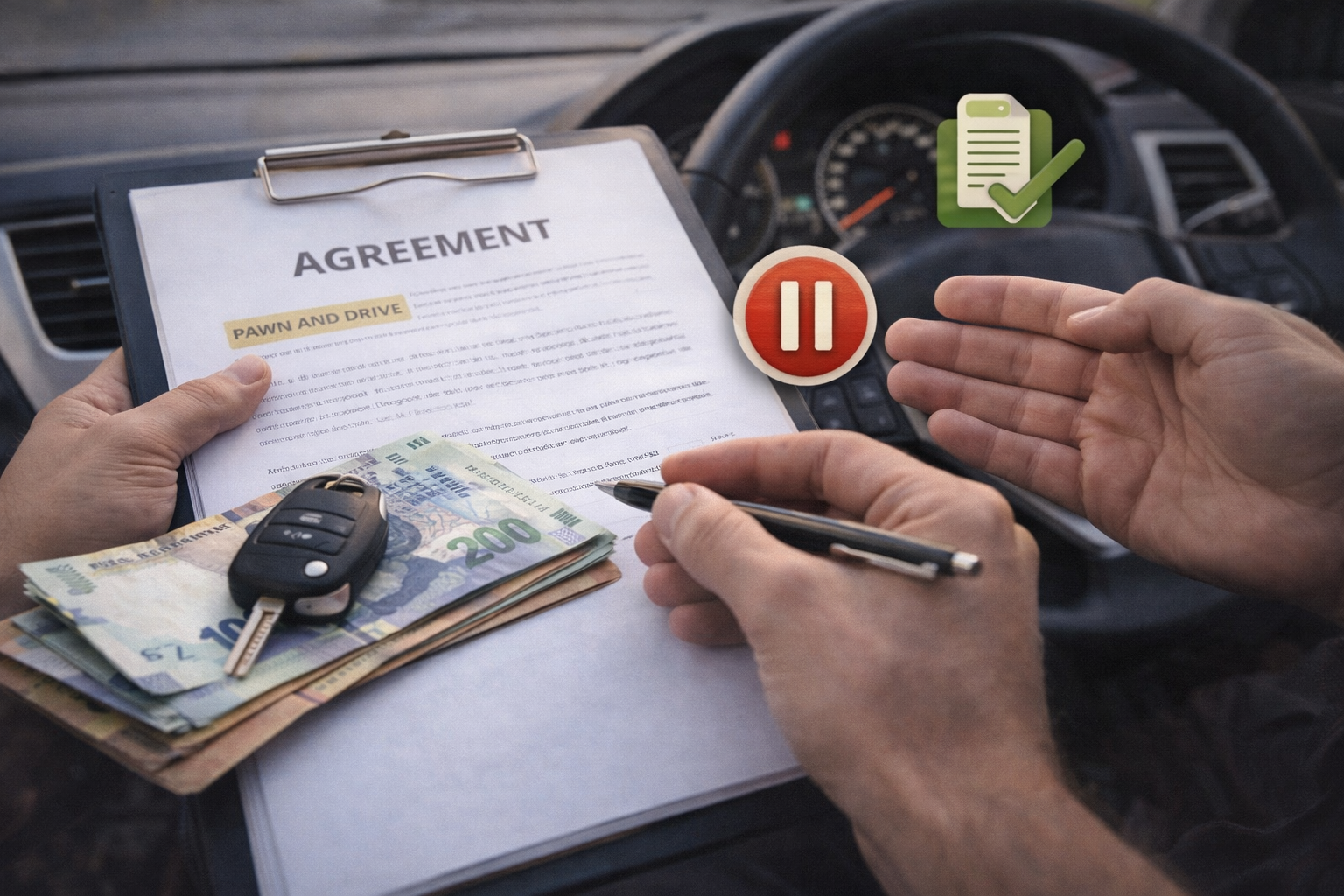
A word on safety and trust
It is normal to be cautious when considering any financial option that involves your car.
A legitimate provider should explain the agreement clearly, put everything in writing, and give you time to ask questions. You should understand the repayment terms, settlement options, and what the exit looks like before signing anything.
If something feels rushed or unclear, it is always okay to pause. Understanding the agreement matters more than speed.
Is this the right option for you?
Pawn and drive is not the right solution for everyone, and that is important to acknowledge.
It can make sense if you own your car, need short-term cashflow support, and want to keep your transport while you get through February. It may not make sense if you are looking for long-term borrowing or are unsure about your ability to repay.
The safest next step is usually a conversation, not a commitment.
A calm next step if February is tight
If February has put pressure on your finances, a quick WhatsApp conversation can help you understand your options without obligation.
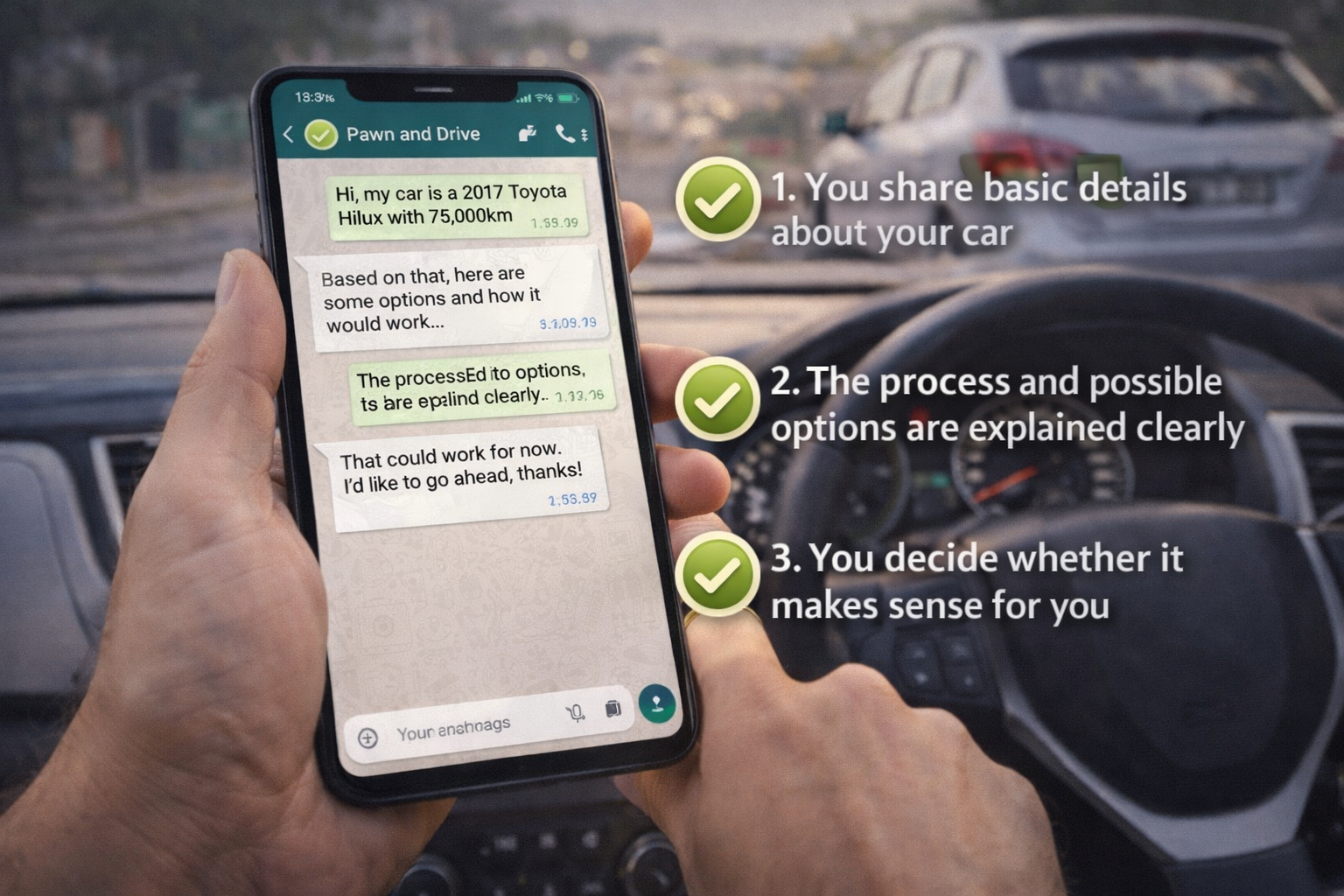
Here is what usually happens next:
- You share basic details about your car
- The process and possible options are explained clearly
- You decide whether it makes sense for you
No pressure. No commitment unless you are comfortable.
Sometimes, having clarity is enough to make the rest of the month feel manageable.